

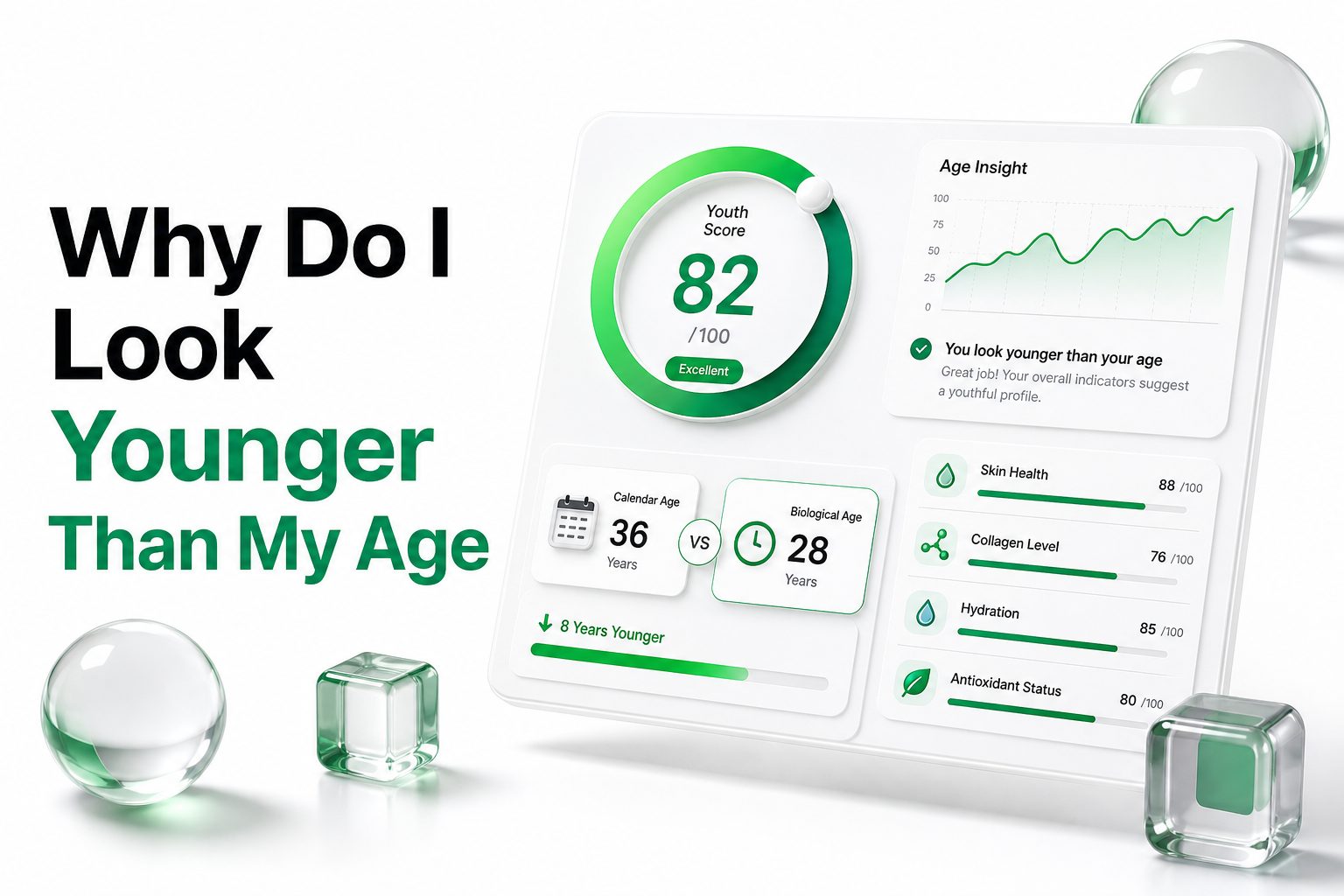
If you have ever looked in the mirror, compared yourself with people your age, and wondered why do i look younger than my age, you are not alone. Many people hear comments about looking younger and feel curious, flattered, confused, or even slightly self-conscious about it. A youthful appearance can come from several overlapping factors, not just one lucky trait.
Your face, skin, posture, body composition, habits, and even personality can affect how old others think you are. Genetics plays a major role, but daily choices often shape how those genetics show up over time. Some people naturally retain fuller cheeks, smoother skin, or softer facial features, while others benefit from good sleep, sun protection, balanced nutrition, and lower stress.
Looking younger than your actual age is usually not a mystery. It is often the visible result of biology, environment, and lifestyle working together in ways that slow visible aging.
Genetics Can Strongly Shape a Youthful Appearance
Your genes influence skin thickness, collagen quality, facial structure, fat distribution, and how quickly visible aging appears. If your parents or grandparents looked younger than their age, you may have inherited traits that help your face hold firmness, softness, or elasticity longer than average.
Genetics also affects how your body handles inflammation, sun damage, and oxidative stress. Some people naturally produce or preserve collagen more effectively, while others develop wrinkles, pigmentation, or sagging earlier. This does not mean lifestyle is irrelevant, but your starting point matters a great deal.
Facial Structure Often Makes People Look Younger
Certain facial features are commonly associated with youth, including fuller cheeks, rounder face shape, larger-looking eyes, softer jawlines, and smooth skin texture. These features can make someone appear younger even when they are fully mature and healthy.
Bone structure also affects perceived age. A face with gentle contours, balanced proportions, and less hollowing under the eyes may look younger for longer. People with naturally lower facial volume loss often age in a way that appears slower to others.
Key Factors That Can Make You Look Younger
- Family history of youthful-looking skin
- Naturally fuller cheeks or softer facial contours
- Slower collagen breakdown
- Consistent use of sunscreen
- Good sleep quality
- Lower alcohol and tobacco exposure
- Balanced nutrition and hydration
- Healthy body weight
- Lower chronic stress
- A relaxed, expressive personality
Skin Quality Is One of the Biggest Age Signals
When people estimate age, they often focus on skin before anything else. Smooth texture, even tone, smaller-looking pores, and fewer visible lines can create a younger impression. Skin that reflects light well often reads as healthier and more youthful.
Skin aging is affected by collagen, elastin, moisture levels, pigmentation, and sun exposure. Someone may have mature life experience but still look young if their skin barrier is strong, hydrated, and relatively free from deep lines or dark spots.
Sun Exposure Has a Major Impact on Visible Aging
Ultraviolet radiation is one of the biggest external causes of premature aging. It breaks down collagen, triggers pigmentation, roughens skin texture, and contributes to fine lines. People who avoided heavy sun exposure often look younger than peers who spent years tanning.
Daily sunscreen use, shade, hats, and protective clothing can preserve skin quality over decades. Even if you started sun protection later, consistent habits can still reduce future damage. For many people asking why do i look younger than my age, lower sun damage is part of the answer.
Comparison Table of Aging Influences
Factor | Can Make You Look Younger | Can Make You Look Older
Genetics | Strong collagen, fuller face | Early volume loss, thinner skin
Sun exposure | Minimal damage, even tone | Wrinkles, spots, rough texture
Sleep | Brighter eyes, healthier skin | Dullness, puffiness, dark circles
Diet | Better repair and hydration | Inflammation, dryness, poor tone
Stress | Relaxed expression, less tension | Tired look, frown lines, fatigue
Smoking | Preserved skin oxygenation | Lines, dullness, collagen damage
Collagen and Elastin Help Skin Stay Firm
Collagen gives skin structure, while elastin helps it stretch and return to place. When these proteins remain strong, skin tends to look smoother and firmer. This is one reason some adults retain a younger-looking face well into middle age.
Collagen naturally decreases with age, but the speed varies from person to person. Protein intake, vitamin C, sleep, exercise, and sun protection all support the body’s repair processes. Good habits cannot stop aging, but they can influence how aging appears.
Hydration and Skin Barrier Health Matter More Than People
Dehydrated skin often looks dull, lined, and tired, even in younger people. Well-hydrated skin can look plumper and smoother because the outer layer reflects light more evenly. This does not require expensive products, but it does require consistency.
A strong skin barrier helps retain moisture and defend against irritation. Gentle cleansing, moisturizer, and avoiding harsh over-exfoliation can keep skin calmer and healthier. For more skincare basics, see [Internal Link: healthy skin routine] from our main website.
Lifestyle Checklist for a Younger-Looking Face
- Use broad-spectrum sunscreen every morning
- Sleep seven to nine hours when possible
- Drink enough water throughout the day
- Eat protein with most meals
- Include fruits and vegetables regularly
- Avoid smoking and frequent vaping
- Limit heavy alcohol intake
- Keep skincare simple and consistent
- Exercise weekly for circulation and energy
- Manage stress before it becomes chronic
Sleep Quality Can Change How Old You Look
Poor sleep affects the face quickly. Dark circles, puffiness, dull skin, and tense expressions can make someone look older than they are. Consistent sleep gives the body more time for repair, hormone regulation, and skin recovery.
People who sleep well often appear more rested, alert, and fresh-faced. Even facial muscles can look less strained after proper rest. If others often guess you are younger, your sleep patterns may be helping your appearance more than you realize.
Nutrition Supports Skin, Hair, and Facial Fullness
Food affects how your body repairs tissue, manages inflammation, and maintains skin structure. Diets rich in protein, healthy fats, colorful produce, and minerals support skin resilience. Nutrients such as vitamin C, zinc, omega-3 fats, and antioxidants all play useful roles.
Extreme dieting, nutrient gaps, and chronic dehydration can age the face by reducing fullness and radiance. A balanced diet helps preserve energy, muscle tone, and skin quality. You do not need perfection, but long-term consistency often shows on the face.
Stress and Facial Expression Influence Perceived Age
Chronic stress can affect sleep, inflammation, posture, facial tension, and lifestyle choices. A person under constant pressure may appear older because their face looks tired, strained, or tense. Stress can also worsen skin issues such as breakouts, redness, and dullness.
On the other hand, relaxed expressions can make someone look younger. People who smile easily, move with energy, and seem emotionally light may be perceived as younger. Age perception is not only about skin; it is also about how your face carries daily life.
Hormones Can Affect Skin and Body Composition
Hormones influence oil production, skin thickness, hair growth, fat distribution, and muscle tone. Estrogen, testosterone, thyroid hormones, insulin, and cortisol all play roles in how the body looks and feels over time.
Some people maintain youthful skin or facial fullness because their hormones are balanced for their body. Sudden changes in appearance, fatigue, hair loss, or unexplained weight shifts should be discussed with a qualified healthcare professional, especially if they happen quickly.
Important Facts About Looking Younger
- Looking younger is usually caused by several factors, not one single reason
- Youthful appearance does not always mean better health
- Sun protection has one of the strongest effects on visible aging
- Facial volume can make adults look younger than their age
- Stress and sleep can change perceived age within days
- Skincare helps most when it is consistent and gentle
Body Composition Changes How Age Is Perceived
Muscle tone, posture, and body fat distribution can influence how old someone appears. People with steady muscle mass often look more energetic and physically capable. Strength training, walking, and regular movement can support a youthful overall presence.
Very low body fat may create facial hollowness, while moderate fullness can soften age-related contours. This varies by person, but sudden or extreme weight changes often affect the face. Healthy stability usually looks better than chasing a specific number.
Posture and Movement Can Make You Seem Younger
Age is not judged only from the face. How you stand, walk, sit, and move sends strong visual signals. Upright posture, flexible movement, and natural confidence often make a person appear younger and more vital.
Poor posture can make even a young person look tired or older. Rounded shoulders, stiffness, and low energy change the way others read your age. Regular stretching, strength work, and ergonomic habits can improve this impression over time.
Hair, Brows, and Grooming Add to the Effect
Hair color, density, style, and shine can all influence age perception. Healthy-looking hair often creates a younger impression, especially when the cut suits your face shape. Even small grooming choices can make a meaningful difference.
Brows also frame the face. Fuller, naturally shaped brows are often associated with youth, while overly thin or harsh brows can age the face. Simple grooming, flattering haircuts, and healthy scalp care can quietly support a younger appearance.
Clothing Style Can Shift How Old People Think You Are
Clothing affects age perception more than many people expect. Fit, color, fabric, and styling can make someone appear fresher, older, more polished, or more tired. Wearing clothes that fit well often matters more than following every trend.
If your style is modern but not forced, people may read you as younger. Outdated silhouettes or overly severe styling can add years. For practical wardrobe ideas, see [Internal Link: personal style tips] from our main website.
Practical Style Tips That Support a Fresh Look
- Choose clothes that fit your current body well
- Avoid overly stiff outfits for everyday settings
- Use color near the face when it flatters your skin tone
- Keep shoes clean and current
- Update glasses frames when they feel dated
- Choose hairstyles that move naturally
- Avoid copying teen trends too closely
- Aim for polished, comfortable, and current
Personality and Energy Affect Age Perception
People often associate curiosity, humor, enthusiasm, and openness with youth. If you speak with energy, stay engaged, and show interest in new ideas, others may perceive you as younger. This can happen even when your physical features show normal aging.
A youthful presence is not immaturity. It can simply mean you carry yourself with warmth, flexibility, and alertness. Someone who seems tired, cynical, or closed off may be perceived as older, regardless of their actual skin or facial structure.
Lower Exposure to Smoking and Alcohol Preserves Skin
Smoking is strongly linked with premature skin aging. It reduces oxygen delivery, damages collagen, and contributes to fine lines around the mouth and eyes. People who never smoked often keep smoother skin and better tone for longer.
Heavy alcohol use can also affect appearance by dehydrating the skin, disrupting sleep, and increasing facial puffiness or redness. Moderate habits, good hydration, and balanced routines help the skin recover more easily and maintain a fresher look.
Why Some Adults Keep a Baby Face
A baby face usually refers to softer features, fuller cheeks, rounder eyes, and less angular bone structure. These traits can make adults look younger than their age, especially when paired with smooth skin and minimal facial lines.
This can be socially complicated. Some people enjoy looking younger, while others feel they are taken less seriously. Styling, posture, voice, and professional presentation can help balance a youthful face with adult confidence and authority.
When Looking Younger Feels Frustrating
Not everyone sees a youthful appearance as purely positive. You may be mistaken for a student, questioned about your age, or treated as less experienced. This can be frustrating in workplaces, relationships, or formal settings.
Small adjustments can help. Structured clothing, polished grooming, confident body language, and direct communication often change how people respond. You do not need to look older; you may simply need cues that signal maturity and competence.
Pros and Challenges of Looking Younger
Benefit | Possible Challenge
You may age more gradually in appearance | People may underestimate your experience
Skin may look healthier for longer | You may be asked for ID more often
A youthful look can boost confidence | Professional authority may need clearer cues
You may appear energetic and approachable | Some styling choices may look too young
You may need less corrective skincare | Others may make repeated age comments
Medical Conditions Can Sometimes Affect Appearance
Most youthful appearance is normal and harmless, but some medical factors can affect growth, hormones, weight, or facial development. If looking younger is paired with delayed puberty, severe fatigue, unexplained symptoms, or major body changes, medical advice is sensible.
Conditions involving thyroid function, hormones, nutrition, or connective tissue can influence appearance. This does not mean you should worry automatically. It simply means sudden or unusual changes deserve proper evaluation rather than guesses from online searches.
Why People May Guess Your Age Incorrectly
Age guessing is not very accurate. People rely on quick visual clues such as skin, hair, clothing, posture, voice, and social context. If several of your cues lean youthful, people may guess far below your real age.
Lighting, makeup, facial hair, hairstyle, and even where you are can influence guesses. Someone in casual clothes on a campus may be read younger than the same person in professional clothing at a meeting. Context changes perception quickly.
Skincare Habits That Help Maintain a Youthful Look
A good skincare routine does not need to be complicated. Cleanser, moisturizer, sunscreen, and targeted treatments are enough for many people. Retinoids, vitamin C, niacinamide, and gentle exfoliation can help when used correctly and consistently.
The biggest mistake is doing too much. Harsh scrubs, constant product changes, and overuse of active ingredients can damage the skin barrier. Calm, protected skin usually looks younger than irritated skin overloaded with products.
Makeup Choices Can Make You Look Younger or Older
Makeup can either soften features or emphasize texture. Heavy powder, thick foundation, harsh contour, and very dark lines may settle into creases and create an older look. Lighter textures often look fresher on most faces.
Cream formulas, natural brows, hydrated lips, and balanced color can keep the face lively. The goal is not to hide age completely. Good makeup supports your features without making the skin look dry, flat, or masked.
Skincare and Grooming Tips
- Apply sunscreen to face, neck, and hands
- Use moisturizer before skin feels tight
- Introduce active ingredients slowly
- Avoid picking at blemishes
- Replace harsh scrubs with gentle exfoliation
- Keep haircuts intentional and maintained
- Shape brows without over-thinning them
- Choose makeup textures that move with the skin
Cultural Background Can Influence How Age Is Read
Different cultures associate age with different visual cues. Skin tone, facial structure, grooming norms, and fashion expectations can all affect age perception. Someone may be guessed younger in one setting and closer to their age in another.
Melanin-rich skin, for example, often shows certain signs of photoaging differently, though it still needs sun protection. Cultural assumptions can also lead people to misread age. That is why casual age guesses are often shaped by bias and limited experience.
Why Looking Younger Does Not Always Mean Aging Slower
A youthful face does not automatically mean your body is biologically younger. Someone may look young but still need normal preventive healthcare, exercise, dental care, eye exams, and age-appropriate screenings. Appearance is only one surface-level signal.
At the same time, many habits that preserve appearance also support health. Sleep, nutrition, movement, and avoiding smoking benefit both skin and the body. It is wise to appreciate a youthful look while still taking aging seriously.
How to Look Mature Without Trying to Look Older
If your youthful appearance causes problems, focus on presence instead of adding years. Better fit, cleaner lines, intentional grooming, and calm confidence can make you appear more credible without making you look aged.
Voice, posture, and communication also matter. Speaking clearly, avoiding nervous filler, and making direct eye contact can shift how people treat you. Maturity is often read through behavior before anyone studies your face closely.
The Role of Mental Health and Emotional Well-Being
Emotional well-being can show in the face through sleep, expression, energy, and self-care. People who manage stress well often appear lighter and more rested. This does not mean happy people never age, but mental strain can become visible.
Anxiety, depression, burnout, and chronic stress may affect grooming, posture, diet, and rest. Support, therapy, routines, and medical care when needed can improve quality of life and sometimes appearance. Your face often reflects how consistently you are cared for.
Signs Your Youthful Look Is Completely Normal
- Your appearance has always been younger-looking
- Family members also look younger than their age
- You feel healthy and energetic overall
- Your weight and hormones are stable
- You have no delayed development concerns
- Your skin has minimal sun damage
- Your facial features are naturally soft
- Your lifestyle supports good sleep and nutrition
Why Do I Look Younger Than My Age and What It Really Means
Looking younger is usually a mix of inherited features, preserved skin quality, lifestyle habits, and how others perceive you. It does not mean anything is wrong. In many cases, it simply means your visible aging signs are less pronounced than average.
The best response is to protect what is working. Keep sunscreen consistent, care for your sleep, eat well, stay active, and maintain grooming that fits your life. A youthful appearance is easier to preserve than rebuild after years of neglect.
Conclusion
Looking younger than your actual age is rarely caused by one single thing. It is usually the result of genetics, skin health, facial structure, lifestyle, grooming, posture, and social perception working together. Fuller facial features, strong collagen, lower sun exposure, good sleep, balanced nutrition, and reduced stress can all help create a younger impression.
If you have been asking why do i look younger than my age, the answer may be that your body simply shows fewer visible aging cues than people expect. That can be a benefit, but it can also feel inconvenient when others underestimate your maturity or experience. The key is to care for your health, protect your skin, and use style and communication to present yourself the way you want to be seen.
A youthful look is worth appreciating, but it should not replace healthy habits or regular medical care. Age is more than appearance, and looking fresh is only one part of aging well.
FAQ
Is looking younger than your age genetic ?
Yes, genetics can strongly influence how young you look. Skin thickness, collagen quality, facial fullness, and aging patterns often run in families. Lifestyle still matters, but inherited traits can give you a noticeable advantage.
Can stress make me look older ?
Stress can make you look older by affecting sleep, skin inflammation, facial tension, and daily habits. Long-term stress may contribute to dull skin, tired eyes, and deeper expression lines, especially without recovery time.
Does drinking water make you look younger ?
Water supports hydration, but it is not a magic anti-aging fix. Proper hydration can help skin look fresher and less dull, especially when combined with moisturizer, balanced nutrition, sleep, and sun protection.
Why do people think I am younger than I am ?
People may think you are younger because of smooth skin, fuller cheeks, soft facial features, hairstyle, clothing, posture, or energetic behavior. Age guesses are often based on quick impressions rather than accurate judgment.
Should I worry if I look much younger ?
Usually, no. If you feel healthy and have always looked young, it is likely normal. Speak with a healthcare professional if your appearance is linked to delayed development, sudden weight changes, fatigue, or hormonal symptoms.
0 Comments