

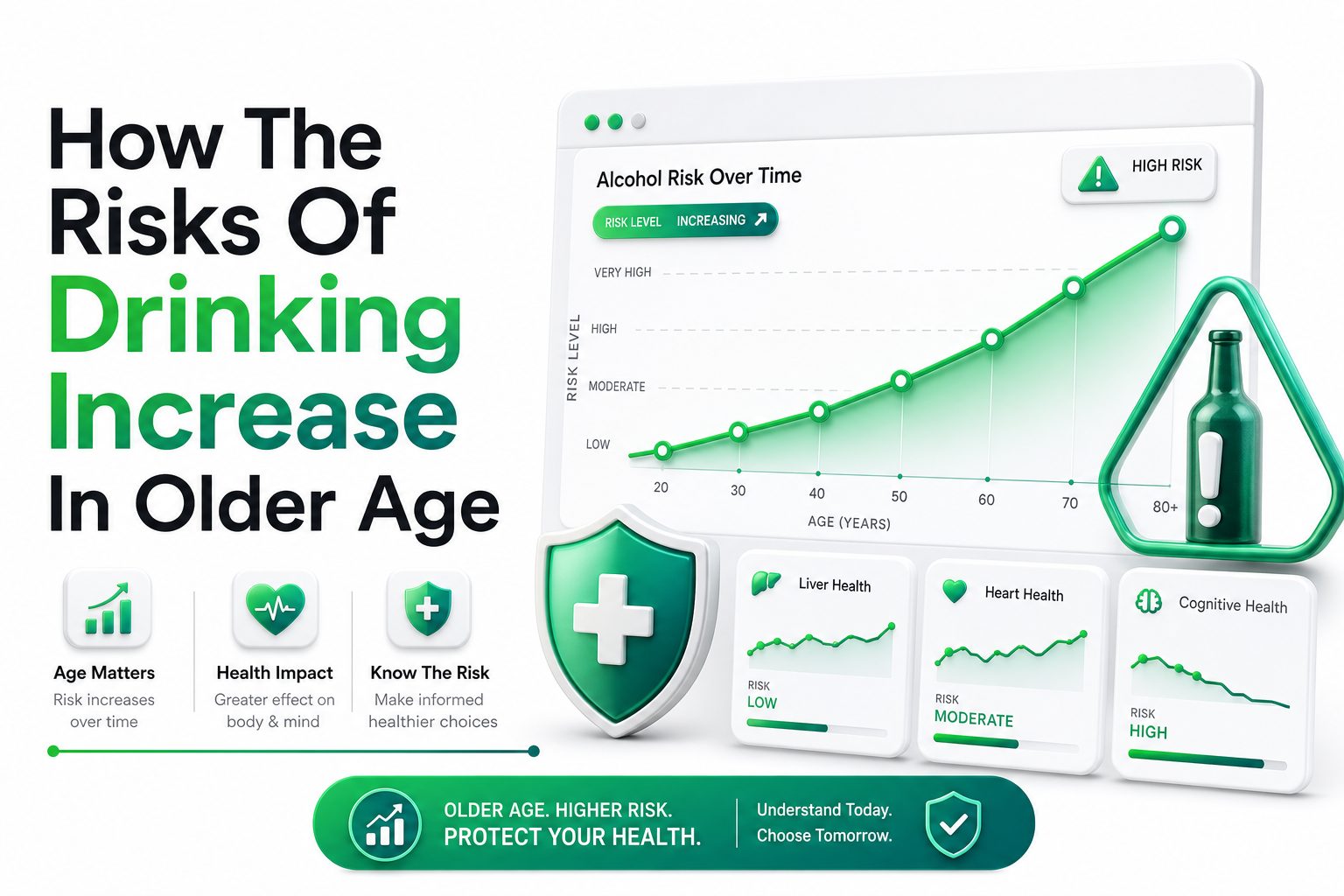
Alcohol affects the body differently as the years pass. A drink that once felt mild in your forties may feel stronger in your sixties, seventies, or eighties, even if the amount has not changed. That shift is not about willpower or tolerance alone. It comes from real changes in body water, metabolism, balance, sleep, medications, and long-term health conditions.
This is why it matters to talk plainly about how the risks of drinking increase in older age. Many older adults drink socially, occasionally, or as part of long-standing routines, and not everyone sees alcohol as a health concern. Yet aging can turn familiar habits into new risks. Small changes in drinking patterns can affect safety, mood, blood pressure, memory, and independence. The goal is not to shame adults who drink. It is to help people make informed choices, notice warning signs earlier, and protect their health without losing connection, comfort, or quality of life.
Why Alcohol Affects Older Adults More Strongly
As people age, the body usually carries less water and more body fat. Because alcohol mixes mainly with body water, the same drink can lead to a higher blood alcohol level in an older adult than in a younger person. That means stronger effects from smaller amounts.
The liver may also process alcohol more slowly with age. Even moderate drinking can linger longer in the bloodstream, increasing drowsiness, slower reaction time, and confusion. These changes make everyday tasks such as walking downstairs, cooking, driving, or taking medicine more hazardous after drinking.
Changes in Tolerance Can Be Easy to Miss
Many older adults assume they can drink the same way they did for decades because they know their limits. The problem is that those limits often move quietly. A glass of wine with dinner may begin to cause dizziness, poor sleep, or morning grogginess.
Tolerance can also feel inconsistent. Some days alcohol may seem harmless, while on others it may interact with fatigue, dehydration, illness, or medication. This unpredictability is one reason alcohol-related accidents and health problems can rise later in life, even without heavy drinking.
Important Facts About Alcohol and Aging
- Older adults can feel stronger effects from the same amount of alcohol.
- Alcohol can increase the risk of falls, fractures, and head injuries.
- Drinking may interfere with common prescriptions, including sleep aids and blood pressure medication.
- Alcohol can worsen anxiety, depression, poor sleep, and memory problems.
- Health conditions such as diabetes, heart disease, and liver disease can become harder to manage with alcohol use.
- Lower-risk drinking often means drinking less than earlier in adulthood, not simply avoiding binge drinking.
Medication Interactions Become a Bigger Concern
Medication use becomes more common with age, and alcohol can interact with many prescriptions and over-the-counter products. Pain relievers, antidepressants, sleep medications, allergy pills, blood thinners, and diabetes treatments may all cause stronger or less predictable effects when combined with alcohol.
These interactions can lead to sleepiness, stomach bleeding, low blood sugar, impaired coordination, or dangerously low blood pressure. Even occasional drinking can matter if medicine is taken daily. Older adults should ask a pharmacist or clinician whether alcohol is safe with each medication they use.
Alcohol Can Increase Fall and Injury Risk
Falls are one of the most serious health threats in older age. Alcohol affects balance, reaction time, judgment, and vision, all of which are needed to move safely. A small amount can be enough to increase the risk of slipping, stumbling, or missing a step.
The consequences of a fall can be severe. Hip fractures, wrist fractures, head injuries, and long recovery periods may reduce independence. For someone with osteoporosis, neuropathy, arthritis, or vision loss, alcohol can add another layer of risk to an already delicate situation.
Alcohol and Medication Safety Checklist
- Review all prescriptions with a pharmacist at least once a year.
- Ask specifically whether alcohol is unsafe with each medication.
- Avoid alcohol when taking sleep aids, opioid pain medicine, or sedatives.
- Read warning labels on cold, allergy, and pain medicines.
- Track dizziness, confusion, or unusual fatigue after drinking.
- Keep a current medication list available for medical visits.
- Do not stop prescribed medication just to drink alcohol.
The Link Between Drinking and Sleep Problems
Alcohol may make someone feel sleepy at first, but it often disrupts deeper sleep later in the night. Older adults are already more likely to wake during the night, and alcohol can make this pattern worse. The result may be lighter, shorter, less restorative sleep.
Poor sleep affects more than energy. It can worsen memory, mood, balance, blood pressure, and appetite. Someone may drink to relax, then sleep poorly, feel tired the next day, and reach for alcohol again in the evening. That cycle can become difficult to break.
Heart Health Risks Can Rise With Age
Alcohol has complicated effects on the heart. While some older studies suggested possible benefits from light drinking, current health guidance is more cautious. Alcohol can raise blood pressure, contribute to irregular heart rhythms, and add strain for people with heart disease or stroke history.
Older adults with hypertension, atrial fibrillation, heart failure, or high triglycerides should be especially careful. Drinking can make these conditions harder to manage, even when intake seems moderate. For many people, cutting back helps improve blood pressure control and reduces avoidable cardiovascular stress.
Comparison of Lower-Risk and Higher-Risk Drinking Patterns
Lower-risk pattern: Drinking rarely, slowly, with food, and within medical guidance.
Higher-risk pattern: Drinking daily out of habit, drinking alone, or drinking to sleep.
Lower-risk pattern: Checking alcohol safety with medications.
Higher-risk pattern: Mixing alcohol with sedatives, pain medicine, or sleep aids.
Lower-risk pattern: Stopping after one drink when balance feels affected.
Higher-risk pattern: Continuing despite dizziness, falls, or confusion.
Lower-risk pattern: Using alcohol-free routines for stress relief.
Higher-risk pattern: Depending on alcohol to manage loneliness, grief, or anxiety.
How Alcohol Affects Memory and Thinking
Alcohol can temporarily slow thinking, reduce attention, and impair short-term memory. In older adults, these effects may be mistaken for normal aging or early dementia. This confusion can delay the real cause from being noticed, especially when drinking happens regularly.
Long-term heavy drinking can also contribute to lasting cognitive problems. For people already living with mild cognitive impairment or dementia, alcohol can worsen confusion, increase agitation, and reduce safety awareness. Families may notice missed medications, repeated questions, or poor decisions after drinking.
Mood, Anxiety, and Loneliness Can Shape Drinking Habits
Retirement, bereavement, chronic pain, caregiving stress, and social isolation can all change drinking patterns later in life. Alcohol may become a way to fill quiet evenings or soften emotional discomfort. Over time, that habit can increase sadness, irritability, or anxiety.
Alcohol is a depressant, even when it feels relaxing at first. It can reduce motivation, interfere with antidepressants, and make emotional lows more intense. Supportive routines, social contact, therapy, movement, and medical care often work better than alcohol for persistent mood symptoms.
Practical Tips for Cutting Back Safely
- Choose alcohol-free days each week.
- Pour smaller servings instead of relying on oversized glasses.
- Drink water before and after any alcoholic drink.
- Eat a balanced meal before drinking.
- Keep less alcohol at home.
- Replace evening drinking with tea, walking, reading, or calling someone.
- Track drinks honestly for two weeks.
- Talk with a clinician before stopping suddenly if drinking is heavy or daily.
Alcohol Can Complicate Chronic Disease Management
Chronic health conditions become more common with age, and alcohol can interfere with treatment goals. For someone with diabetes, drinking may cause blood sugar swings, especially when meals are skipped. For someone with liver disease, even small amounts may worsen existing damage.
Alcohol can also affect gout, kidney disease, digestive disorders, and certain cancers. It may add calories without nutrition, worsen reflux, or reduce appetite for healthier foods. When several conditions exist together, the margin for safe drinking becomes narrower and more personal.
Liver Function Changes Deserve Attention
The liver handles most alcohol processing, but aging and illness can reduce its reserve. Fatty liver disease, hepatitis history, obesity, and certain medications can all make alcohol harder on the body. Many people have liver strain without obvious symptoms at first.
Routine blood tests may show early warning signs, but normal tests do not always mean alcohol is harmless. Older adults with liver concerns should ask directly about alcohol limits. In some cases, the safest choice is complete avoidance rather than moderation.
Signs Drinking May Be Becoming a Problem
- Needing alcohol to relax, sleep, or cope with emotions.
- Drinking more than intended.
- Hiding how much alcohol is used.
- Falling, stumbling, or getting injured after drinking.
- Missing medications or appointments because of drinking.
- Feeling defensive when someone raises concerns.
- Having memory gaps after drinking.
- Continuing to drink despite medical advice to cut back.
Alcohol and Nutrition in Older Adults
Alcohol can crowd out nutrient-rich foods, especially for adults with smaller appetites. It provides calories but little nutritional value. When drinking replaces meals or snacks, older adults may miss protein, fiber, vitamins, and minerals needed for strength and immune function.
Poor nutrition can make alcohol’s effects stronger. Low body weight, dehydration, and low blood sugar may increase dizziness or confusion after drinking. For older adults trying to maintain muscle, bone health, and energy, alcohol should not take the place of regular meals.
Cancer Risk and Long-Term Alcohol Exposure
Alcohol is linked with several cancers, including cancers of the mouth, throat, esophagus, liver, colon, rectum, and breast. Risk generally rises with the amount consumed over time. Older adults may already carry decades of exposure, making current habits worth reviewing.
Cutting back can still be meaningful later in life. Reduced alcohol intake may lower future risk and support better overall health. People with previous cancer, strong family history, or immune concerns should speak with their healthcare team about the safest level of drinking.
Key Benefits of Reducing Alcohol Intake
- Better sleep quality and more stable daytime energy.
- Lower risk of falls and injuries.
- Improved medication safety.
- Better blood pressure and heart rhythm control.
- Clearer thinking and stronger memory support.
- More consistent blood sugar management.
- Fewer digestive symptoms and less reflux.
- Improved mood stability.
- Better hydration and nutrition.
- More independence and confidence in daily routines.
Why Social Drinking Still Carries Risk
Many older adults drink mainly at dinners, holidays, clubs, or family events. Social drinking may feel safe because it is not secretive or frequent. Still, alcohol’s physical effects do not disappear because the setting is pleasant or the drink is shared.
Social situations can also encourage larger pours and slower awareness of limits. Wine refills, cocktails, and mixed drinks may contain more alcohol than expected. Older adults can reduce risk by eating first, alternating with water, and deciding on a limit before arriving.
Alcohol Use After Retirement
Retirement changes daily structure. Without work schedules, commuting, or early alarms, drinking can drift from occasional to routine. A drink at dinner may become a drink in the afternoon, then another in the evening, especially when boredom or loneliness is present.
Healthy structure matters. Regular exercise, volunteering, hobbies, meals with others, and scheduled activities can reduce the pull of alcohol. If drinking has become a marker for ending the day, replacing that ritual with another enjoyable habit can help.
Safer Drinking Habits for Older Adults
- Set a clear drink limit before drinking starts.
- Avoid drinking when tired, dehydrated, or unwell.
- Keep alcohol away from bedtime.
- Use measuring tools for wine and spirits.
- Choose lower-alcohol options when available.
- Never mix alcohol with driving or risky household tasks.
- Sit down while drinking if balance is uncertain.
- Ask a trusted person to speak up if drinking seems to affect safety.
When Family Members Should Be Concerned
Family members may notice changes before the person drinking does. Warning signs include more frequent falls, missed bills, medication mistakes, mood changes, empty bottles, or repeated accidents. Concern should be raised calmly, without blame, and with specific examples.
A useful conversation focuses on safety and health rather than labels. Instead of accusing someone of having a drinking problem, family can say they are worried about falls, sleep, memory, or medication interactions. Practical support often works better than confrontation.
Getting Professional Help Without Stigma
Many older adults hesitate to discuss alcohol because they fear judgment. Healthcare professionals are used to these conversations and can help assess risk privately. A primary care doctor, pharmacist, counselor, or addiction specialist can offer guidance matched to health history.
Support does not always mean entering intensive treatment. It may involve medication review, therapy, gradual reduction, peer support, or safer routines. For people who drink heavily every day, medical advice is especially important because sudden withdrawal can be dangerous.
Helpful Support Options to Consider
- Primary care visit for alcohol and medication review.
- Pharmacist consultation for interaction risks.
- Counseling for grief, anxiety, depression, or stress.
- Community senior programs to reduce isolation.
- Mutual support groups for alcohol reduction.
- Family meetings with a healthcare professional.
- Nutrition support if appetite or weight has changed.
- Physical therapy if balance or falls are concerns.
How to Talk With a Doctor About Alcohol
Being honest with a doctor helps them give safer advice. It is useful to share how many drinks are consumed, how often, what type of alcohol, and whether drinking happens alone. A two-week drink diary can make the conversation more accurate.
Doctors can also check related health markers, including blood pressure, liver enzymes, sleep quality, mood symptoms, and fall risk. If alcohol may be affecting medications or chronic disease, the care plan can be adjusted. [Internal Link: Alcohol and Aging Resources] may also help readers prepare questions.
Building a Safer Routine Around Alcohol
Some older adults choose to stop drinking, while others aim to reduce risk. Either path benefits from routine. Keeping alcohol out of automatic daily habits makes choices more intentional. Replacing drinking cues with healthier rituals can make change easier.
For example, someone who drinks while watching television might switch to sparkling water in a favorite glass. Someone who drinks from loneliness might schedule evening calls or group activities. Small, realistic changes often last longer than strict rules that feel impossible.
Common Myths About Drinking in Older Age
Myth: A lifetime of drinking means the body can handle alcohol the same way.
Fact: Aging changes metabolism, body water, balance, and medication use.
Myth: Wine is always safer than liquor.
Fact: Risk depends on alcohol content, serving size, health conditions, and medications.
Myth: Drinking helps sleep.
Fact: Alcohol may cause drowsiness but often worsens sleep quality.
Myth: Only heavy drinking matters.
Fact: Smaller amounts can still increase falls, confusion, and medication interactions.
Myth: It is too late to benefit from cutting back.
Fact: Reducing alcohol can improve sleep, safety, blood pressure, and daily energy.
Conclusion
Aging changes the way alcohol moves through the body and the way it affects daily life. What once seemed like a harmless routine can become a source of falls, poor sleep, medication problems, memory changes, mood symptoms, and chronic disease complications. The risk is not always obvious because it can build gradually.
The most useful approach is practical and honest. Older adults can review medications, notice changes in tolerance, drink less often, avoid alcohol near bedtime, and ask healthcare professionals for guidance. Families can help by focusing on safety rather than blame. Learning how the risks of drinking increase in older age gives people a chance to make better choices before a serious problem occurs. Reducing alcohol is not about giving up enjoyment. It is about protecting health, independence, clarity, and the ability to keep living well.
FAQ
Is any amount of alcohol safe for older adults ?
Safety depends on health conditions, medications, balance, and drinking pattern. Some older adults may tolerate small amounts, while others should avoid alcohol completely. A doctor or pharmacist can give advice based on personal risk.
Why does alcohol affect older people faster ?
Older adults usually have less body water and may process alcohol more slowly. This can lead to stronger effects from the same drink, including dizziness, sleepiness, slower reactions, and higher fall risk.
Can alcohol make memory problems worse ?
Yes. Alcohol can impair attention, short-term memory, and decision-making. In people with mild cognitive impairment or dementia, it may worsen confusion and increase safety risks, especially when mixed with medications.
Should older adults avoid alcohol with medication ?
Many medications interact with alcohol, including sleep aids, pain medicine, antidepressants, allergy pills, and blood pressure drugs. Older adults should ask a pharmacist or doctor before drinking while taking any regular medication.
What is the best first step to cut back ?
Start by tracking drinks honestly for one or two weeks. Then choose specific changes, such as alcohol-free days, smaller pours, or no drinking before bed. Medical guidance is important for heavy daily drinking.
0 Comments